RELIGIOUS
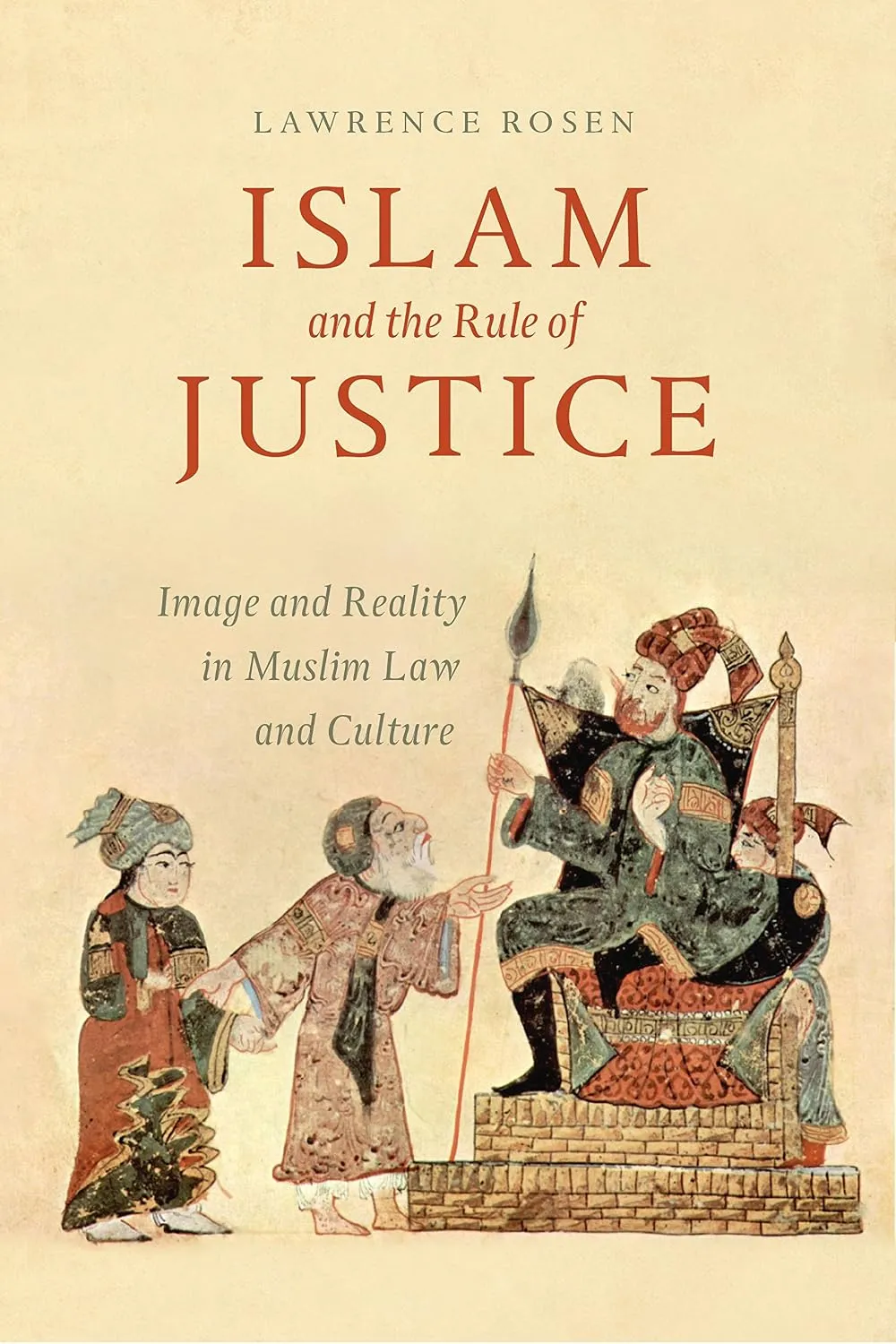
In the West, we tend to think of Islamic law as an arcane and rigid legal system, bound by formulaic texts yet suffused by unfettered discretion. While judges may indeed refer to passages in the classical texts or have recourse to their own orientations, images of binding doctrine and unbounded choice do not reflect the full reality of the Islamic law in its everyday practice. Whether in the Arabic-speaking world, the Muslim portions of South and Southeast Asia, or the countries to which many Muslims have migrated, Islamic law works is readily misunderstood if the local cultures in which it is embedded are not taken into account.